When Builder Blinds Meet a Nebraska Winter
You moved into your brand-new Elkhorn home last spring. The open floor plan felt bright and modern, those oversized windows framing views of Pacific Springs perfectly. Then December arrived. You woke to a minus-ten-degree morning, touched the glass near your breakfast nook, and felt cold radiating through thin aluminum slats. By February, your OPPD bill confirmed what your fingertips already knew: those builder-grade blinds were doing almost nothing to keep heat inside.
This scenario plays out across Omaha’s fastest-growing neighborhoods every winter. Developers in Whispering Ridge, Bennington, and West Omaha install the most basic window coverings to meet code and keep construction costs down. The result? Homeowners inherit blinds that twist, discolor, and fail to insulate against temperature swings that can span over 100 degrees from January lows to July highs. If you are shopping for new construction window treatments in Omaha, understanding why builder options fall short is the first step toward a comfortable, energy-smart home.
Why Builder-Grade Blinds Fail in Omaha’s Climate
Builder blinds are typically single-layer aluminum or thin vinyl. They block some light but offer minimal thermal resistance. When outdoor temperatures drop to minus ten or climb past 95 degrees, that single layer does little to slow heat transfer through your windows.
Thin Materials, Big Energy Loss
Standard builder slats measure around half an inch thick with no insulating core. Custom cellular shades, by contrast, trap air in honeycomb pockets that act as a buffer between your interior and the glass. The difference can translate into noticeably lower heating and cooling demands, reducing the strain on your HVAC system during Nebraska’s harshest months.
Poor Fit Compounds the Problem
Mass-produced blinds often leave gaps at the edges. In a Gretna development with floor-to-ceiling windows, even a quarter-inch gap on each side creates a channel for cold drafts. Custom window treatments are measured to your exact openings, eliminating those energy-wasting spaces.
Durability Under Stress
Omaha’s intense summer sun can warp cheap vinyl in a single season. Fading follows quickly. Within two or three years, builder blinds often look dated, while quality fabrics and engineered components retain their appearance and function far longer.
Choosing the Right Upgrade for Your Omaha New Build
Not every window in your home needs the same solution. A smart approach matches products to room function, sun exposure, and your household’s lifestyle.
Cellular Shades for Maximum Insulation
Honeycomb construction makes cellular shades the top performer for temperature control. They come in single, double, or triple-cell designs, with larger cells generally providing more insulating value. For a north-facing bedroom in Bennington, a double-cell blackout shade keeps winter cold out and summer heat at bay while darkening the room for better sleep.
Roller Shades for Contemporary Looks
Open-concept Omaha homes often feature large window walls that connect living, dining, and kitchen areas. Roller shades offer a clean, minimal profile that complements modern architecture. Light-filtering fabrics soften glare without blocking views, while solar screen options reduce heat gain during July afternoons.
Faux Wood and Composite Blinds
If you prefer the classic horizontal-slat look, composite materials outperform builder aluminum. They resist warping, hold up to humidity in bathrooms, and provide better light control. For a West Omaha family with kids, the added durability pays off.
Motorized Options for Large Windows
Tall or hard-to-reach windows in two-story foyers and great rooms benefit from motorized operation. You can program shades to lower automatically during peak sun hours, protecting furniture from UV damage and reducing cooling costs without lifting a finger.
Upgrading from builder blinds is not just about aesthetics. It is about making your Omaha home work efficiently through every season, from bitter January nights to sweltering August days.
Comparing Builder-Grade and Custom Window Treatments
The table below summarizes key differences homeowners notice after upgrading.
| Feature | Builder-Grade Blinds | Custom Window Treatments |
|---|---|---|
| Material | Thin aluminum or vinyl | Cellular fabric, composite, engineered wood |
| Fit | Standard sizes with gaps | Measured to exact window dimensions |
| Insulation | Minimal | Moderate to high, depending on product |
| Lifespan | 2-4 years before visible wear | Often a decade or longer with proper care |
| Style Options | Limited colors, basic slats | Hundreds of fabrics, colors, textures |
| Warranty | Often 1 year or none | Manufacturer-backed, multi-year coverage |
What Omaha Homeowners Should Expect During the Upgrade Process
Professional installation starts with an in-home consultation. A specialist from Made in the Shade Blinds Omaha visits your property, measures every window, and discusses your priorities, whether that is energy savings, room darkening, child safety, or simply a cohesive look throughout your Elkhorn or Gretna home.
Accurate Measurement Matters
New construction often features non-standard window sizes. A professional measures width, height, and depth at multiple points to account for slight variations. This precision ensures your shades or blinds fit flush and operate smoothly.
Product Selection and Lead Times
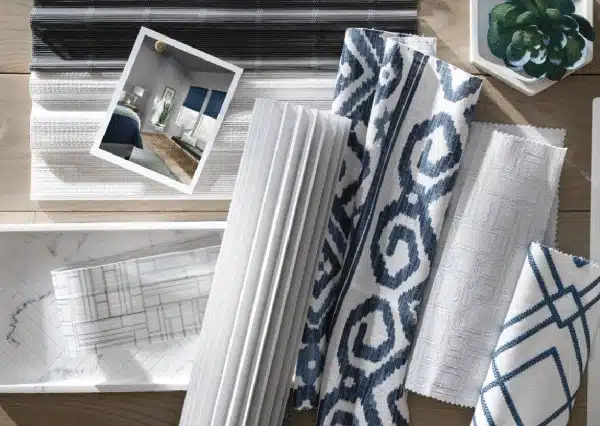
After measurements, you review fabric samples, colors, and operating mechanisms. Custom orders typically require a few weeks for fabrication. Planning ahead, especially if you are coordinating with a move-in date, helps avoid a window-covering gap.
Installation Day
Installers mount brackets, hang treatments, and test every mechanism before they leave. You receive guidance on operation and care, plus warranty documentation for your records.
Budgeting for Custom Blinds in a New Build
Costs vary based on window count, product type, and features like motorization. A rough framework helps you plan:
- Basic cellular shades for a standard window: generally in the low hundreds per opening, depending on size and cell configuration.
- Motorized roller shades: higher upfront cost, but energy and convenience savings can offset the investment over time.
- Whole-home packages: bundling all windows into one project often reduces per-unit pricing and ensures a unified look.
Request a detailed quote rather than relying on generic estimates. Window sizes in Whispering Ridge townhomes differ from those in sprawling West Omaha single-family homes, and pricing should reflect your actual needs.
When to Upgrade: Before or After Move-In?
Many Omaha homeowners wait until after closing to address window treatments, but scheduling your consultation during the final construction phase offers advantages:
- Measurements can be taken as soon as windows are installed, even before drywall is painted.
- Products can be ordered so installation coincides with your move-in week.
- You avoid living with bare windows or inadequate builder blinds through a Nebraska winter.
If you have already moved in, upgrading room by room is a practical approach. Start with the spaces where discomfort is most noticeable, such as bedrooms that overheat in summer or living areas with drafty windows.
Your Omaha New Construction Deserves Better Than Builder Basics
Omaha’s growth means thousands of new homes go up each year in communities like Elkhorn, Gretna, Bennington, and West Omaha. Nearly all of them come with the same underwhelming builder-grade blinds. Upgrading to custom window treatments transforms your home’s comfort, cuts energy waste, and adds a polished finish that reflects your investment.
Made in the Shade Blinds Omaha specializes in helping homeowners throughout the metro replace builder options with window coverings designed for Nebraska’s demanding climate. From professional measurement to manufacturer-backed products and expert installation, you get a turnkey solution without the guesswork.
Ready to see what custom blinds or shades can do for your new build? Call (402) 807-3398 or request your new construction window treatment consultation online. Your Omaha home, and your OPPD bill, will thank you.
Frequently Asked Questions
How long does it take to replace builder blinds throughout an entire home?
After your in-home consultation and product selection, custom fabrication typically takes a few weeks. Installation itself usually requires just a few hours for an average-sized home, so most Omaha homeowners complete the entire process within a month from first appointment to finished project.
Can custom shades really make a noticeable difference on my heating and cooling bills?
Yes. Cellular shades in particular create an insulating barrier that reduces heat transfer through glass. While savings depend on window count, home orientation, and HVAC efficiency, many homeowners report a tangible reduction in energy use after upgrading from single-layer builder blinds.
Are motorized window treatments worth the extra cost for Omaha new construction?
For homes with tall windows, skylights, or large glass walls, motorization adds convenience and protects interiors from UV damage by automating shade schedules. The upfront investment often pays off through extended furniture and flooring life, plus daily ease of use.